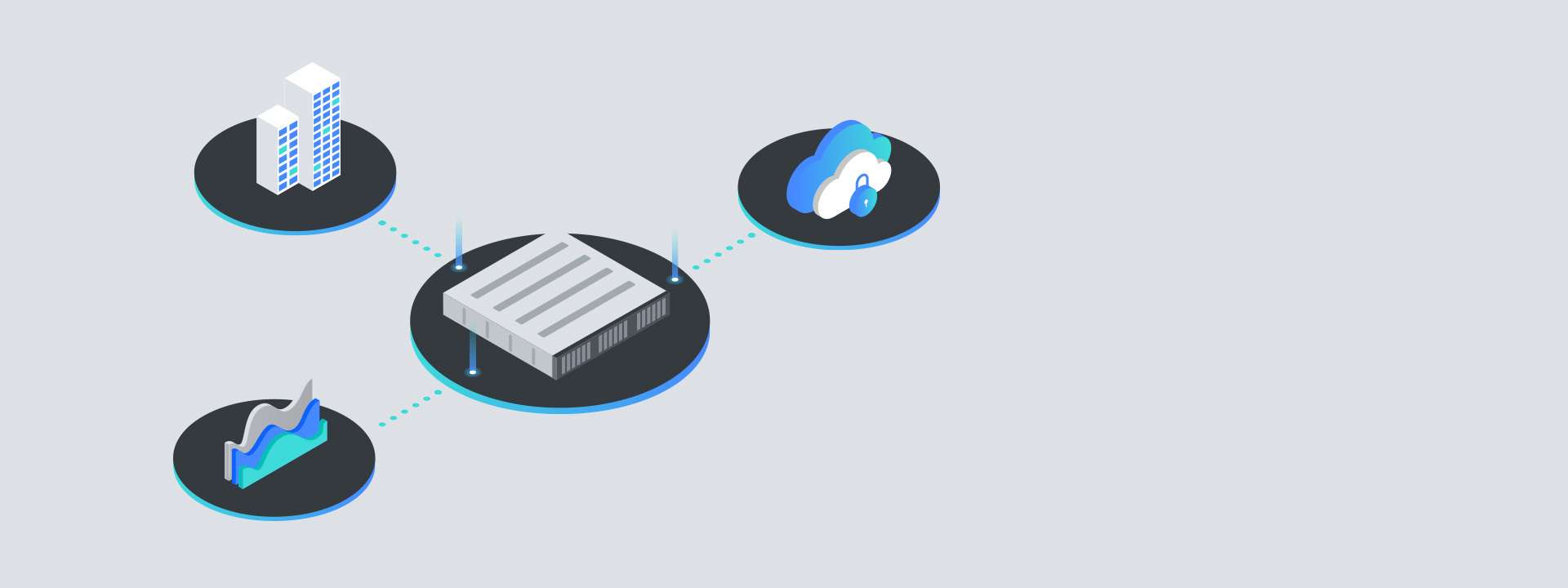
Emerging as one of the formidable tools that will help businesses drive innovation and uncover new revenue streams, edge computing holds the key to digital transformation by moving computing out to the 'edge' of the network to where data is collected.
Edge computing is a technology that moves computing closer to where data is generated, such as mobile devices and equipment. This approach allows businesses to process data in real-time, leading to faster insights and improved decision-making. By reducing latency and enhancing reliability, edge computing plays a significant role in digital transformation and helps organizations better serve their customers.
How does hybrid cloud support edge computing?
Hybrid cloud technology supports edge computing by enabling organizations to manage workloads across various environments, including edge locations. This flexibility allows businesses to act on insights closer to where data is created, reducing costs and improving operational efficiency. As organizations navigate their cloud journeys, hybrid cloud solutions help simplify the complexities associated with managing multiple platforms.
What are the benefits of using Red Hat OpenShift?
Red Hat OpenShift provides several benefits for organizations pursuing hybrid cloud strategies. It allows developers to build applications once and deploy them across various environments, streamlining the development process. Additionally, it offers a consistent user experience and reduces the need for specialized skills, making it easier for teams to manage applications and adapt to changing business needs.





 Sign in with LinkedIn